





Every category now has a smart variant. The label describes connectivity, not capability, and the difference matters at the return window.
Five questions
- What does it do when the internet is down?
- Does it work without an account?
- Where is the data processed?
- What happens when the vendor stops supporting it?
- Can I control it locally?
The pattern behind the answers
Products that keep working offline and without an account tend to last. Products that depend on a service tend to become e-waste on the vendor’s schedule, not yours.
Where smart genuinely adds value
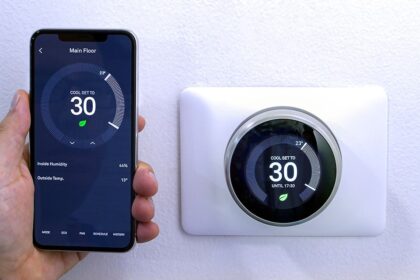
Scheduling, remote monitoring, and automation that would be tedious manually: heating, lighting, security. Where it adds little: anything you operate with one button while standing next to it.
Bottom line: smart should mean capable without a server, not dependent on one.